
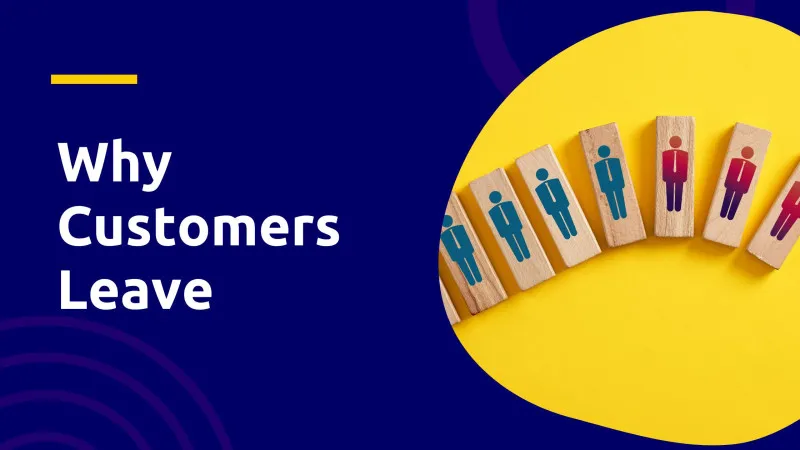
Most business owners assume that losing customers is a direct result of poor service, product issues, or pricing concerns. While these factors certainly play a role, the reality is often more surprising: many customers leave even when they’re satisfied.
In fact, customer satisfaction and customer loyalty are not always the same thing. A customer can be happy with your service and still choose a competitor, stop purchasing, or simply drift away over time.
Understanding why this happens is essential for businesses that want to improve retention and build long-term relationships.
Satisfaction Doesn’t Guarantee Loyalty
A satisfied customer may appreciate your product, enjoy working with your team, and have no major complaints. However, if another company offers greater convenience, faster response times, or a more engaging customer experience, that customer may decide to switch.
Today’s consumers have more choices than ever before. As a result, businesses must focus not only on satisfaction but also on creating lasting value and meaningful connections.
Inconsistent Communication Creates Distance
One of the most common reasons customers leave is inconsistent communication.
A business may provide excellent service during onboarding or the initial sale but become less responsive afterward. Customers notice when follow-ups become infrequent, questions take longer to answer, or communication feels impersonal.
Over time, this can create the impression that the business no longer values the relationship.
Simple actions such as regular check-ins, timely responses, and proactive communication can help strengthen customer trust and engagement.
Customers Want Convenience
Modern consumers value convenience just as much as quality.
If scheduling appointments is difficult, support requests take too long, or important information is hard to access, customers may begin looking elsewhere—even if they are generally satisfied with your services.
Businesses that make interactions easy and friction-free often gain a competitive advantage.
Competitors Are Always Improving
Customer loyalty is constantly being tested.
Your competitors are investing in new technologies, improving customer experiences, and developing innovative ways to attract and retain clients.
Even loyal customers may become curious when they encounter a business offering added value, enhanced services, or a more personalized experience.
This is why businesses should continuously evaluate and improve their customer journey rather than relying solely on past success.
Relationships Matter More Than Transactions
Customers are more likely to remain loyal when they feel genuinely connected to a brand.
Businesses that focus exclusively on transactions may struggle to build lasting relationships. In contrast, organizations that prioritize trust, transparency, and customer care often create stronger emotional connections.
People remember how a business made them feel long after they forget specific details about a product or service.
The Cost of Customer Turnover
Acquiring a new customer is often significantly more expensive than retaining an existing one.
When customers leave, businesses lose not only immediate revenue but also future opportunities, referrals, and long-term growth potential.
Investing in customer retention strategies can deliver substantial returns while helping businesses create a more stable foundation for success.
Turning Satisfaction Into Loyalty
Customer retention requires ongoing effort. Businesses can strengthen loyalty by:
- Providing consistent communication
- Responding quickly to inquiries
- Personalizing customer interactions
- Gathering and acting on feedback
- Continuously improving the customer experience
- Building trust through reliability and transparency
These strategies help transform satisfied customers into loyal advocates who continue to support and recommend your business.
Final Thoughts
Happy customers are valuable, but loyal customers are invaluable.
In today’s competitive marketplace, businesses must look beyond customer satisfaction and focus on creating experiences that encourage long-term relationships. By prioritizing communication, convenience, and connection, companies can reduce customer turnover and build a stronger path toward sustainable growth.
Businesses that understand the difference between satisfaction and loyalty are often the ones that thrive for years to come.