
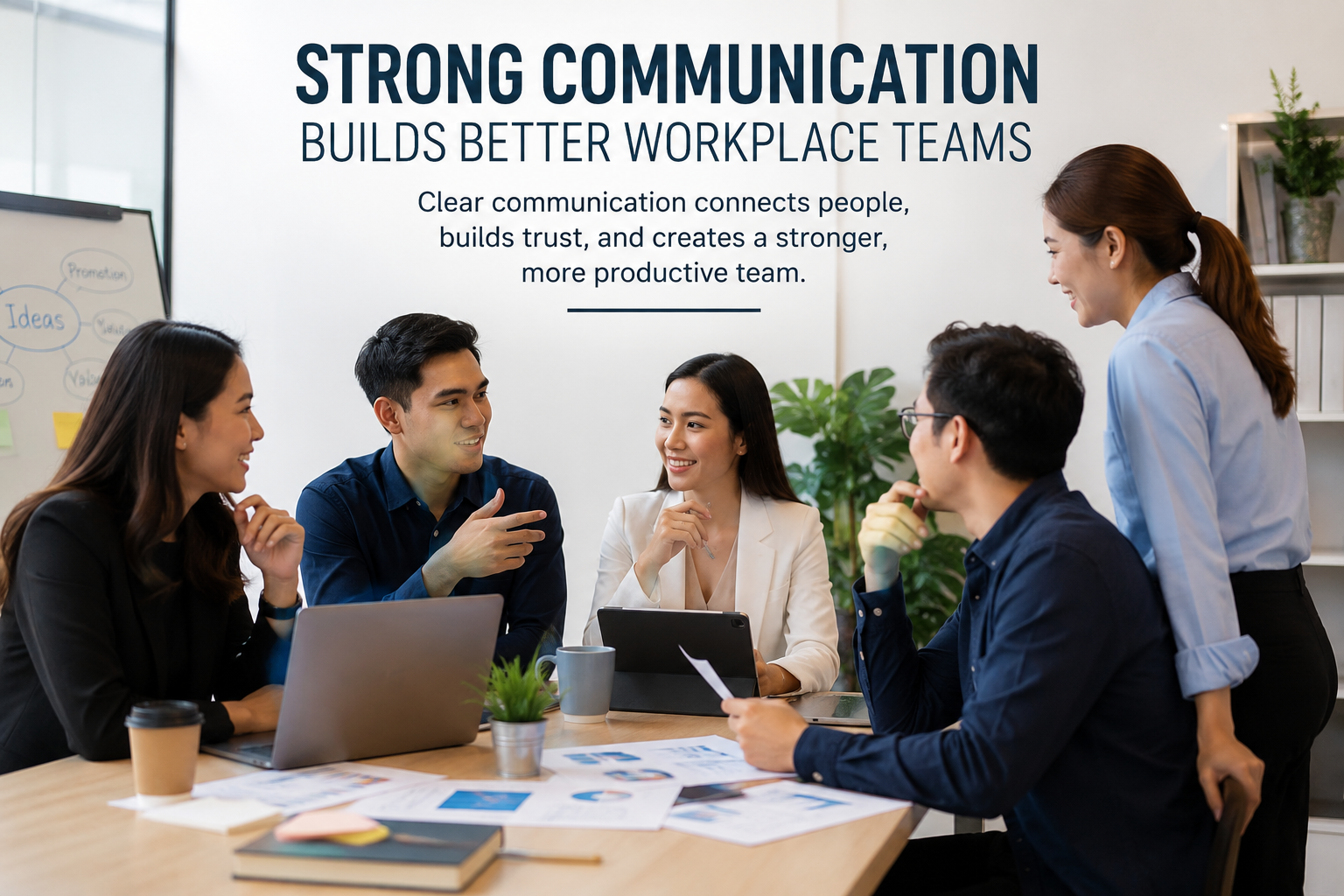
In today’s fast-changing business environment, companies are discovering that success is not only about skills and experience — it is also about communication. Whether in staffing, outsourcing, healthcare support, or remote work, strong communication helps teams stay productive, connected, and efficient.
As more businesses expand globally and work with remote professionals, communication has become one of the most valuable workplace skills. Teams that communicate clearly often experience better collaboration, fewer misunderstandings, and stronger workplace relationships.
The Connection Between Communication and Productivity
Employees perform better when expectations are clear. Good communication helps workers understand:
- their responsibilities
- deadlines
- company goals
- client expectations
When information is shared properly, teams avoid confusion and complete tasks more efficiently. This is especially important in outsourcing and staffing industries where employees may work with clients from different locations and time zones.
Companies that invest in communication training often notice:
- improved teamwork
- higher employee confidence
- faster problem-solving
- better customer satisfaction
Why Communication Matters in Remote and Outsourced Teams
Remote work has changed how businesses operate. Many companies now hire virtual staff, remote assistants, and outsourced professionals to support daily operations.
However, distance can create challenges if communication is weak.
Successful remote teams usually rely on:
- regular updates
- video meetings
- organized workflows
- clear instructions
- quick response times
Good communication also helps remote employees feel more connected to the company, improving motivation and long-term performance.
Building a Positive Workplace Culture
A healthy workplace is built on respect and understanding. Employees who feel heard are more likely to:
- stay engaged
- work harder
- contribute ideas
- remain loyal to the company
Managers who communicate openly create a more supportive environment where employees feel comfortable asking questions and solving issues together.
Simple actions such as providing feedback, recognizing achievements, and encouraging collaboration can strengthen workplace culture significantly.
The Role of Technology in Workplace Communication
Modern technology has made communication easier than ever. Businesses now use:
- messaging platforms
- project management tools
- video conferencing
- cloud collaboration systems
These tools allow teams to stay connected even when working from different countries or departments.
Still, technology works best when paired with professionalism, clarity, and active listening.
Final Thoughts
Strong communication is one of the foundations of a successful business. In staffing and outsourcing industries, it helps companies build reliable teams, improve productivity, and maintain strong relationships with both employees and clients.
As workplaces continue to evolve, businesses that prioritize communication will be better prepared for long-term growth, stronger teamwork, and greater success.